Oman Air Appoints Nasser Al Sharji as Chief Executive Officer
Oman Air has appointed Nasser Al Sharji as CEO from September 1, 2026, to lead the next phase of the national airline transformation.
 Layla Al Mansoori
◆15 October 2026
◆4 min read
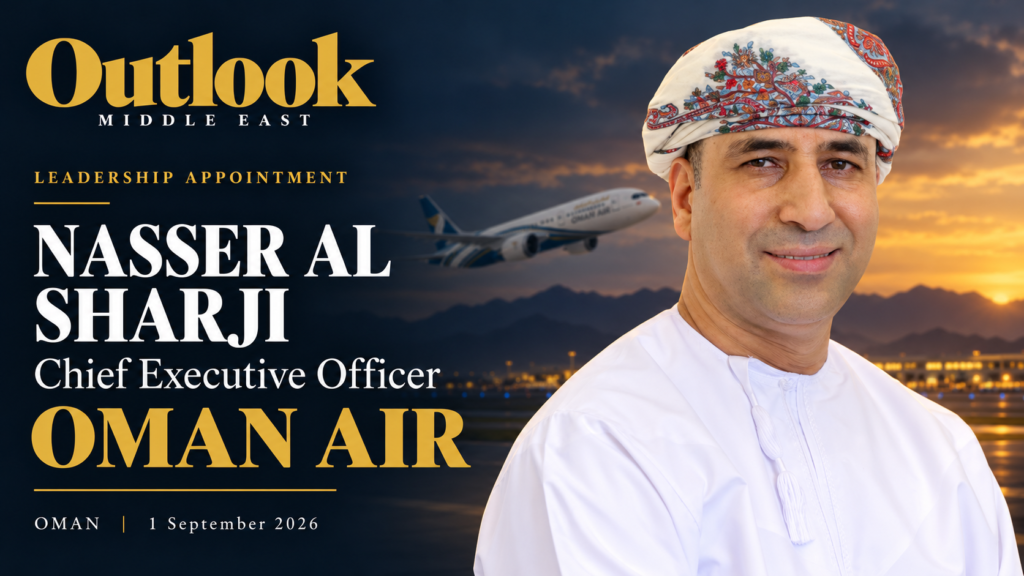
Muscat, Oman: Oman Air has named Nasser Al Sharji to take over as CEO from the 1st of September 2026. He is an experienced leader within aviation and other infrastructure sectors who will lead the carrier through its next stage of transformation.
The news was made public on the 20th of August. Con Korfiatis has led the airline since May 2024 and will stay on as Advisor to the CEO, so the handover to Al Sharji goes smoothly.
Experience Across Oman’s Aviation Ecosystem
Al Sharji has over 25 years of experience in leadership roles across aviation, logistics, energy and public services. He was most recently CEO of Transom Handling and Acting CEO of Oman Airports Management Company.
Previously he held senior roles at ASYAD Group, OQ and Nama Water Services. In these roles, Oman Air says, he worked on major national projects and transformation programmes around the country.
He has an Executive MBA and has served as a board member and committee chair in several sectors. Oman Air said Al Sharji knows the aviation industry well and has experience leading organisations through operational and structural change.
The airline also thanked Korfiatis for helping it become more financially sustainable, efficient and effective during his time as CEO. Keeping him on as an adviser lets Oman Air hold on to his knowledge of its ongoing programme.
Building on Recent Commercial Progress
Over the past year Oman Air has seen passenger numbers rise. It carried 5.8 million passengers in 2025, an 8% increase on 2024.
Some 64% of those passengers flew directly into Oman, a segment that grew by 34% year on year. Oman Air has also added new routes, more frequencies and new partnerships.
Domestic flights have grown too. Between Muscat and Salalah the airline offered 17% more seats in 2025 and carried 19% more passengers than the year before.
These are some of the gains Oman Air can point to since starting its transformation programme in 2023, though the programme’s wider goals are still a work in progress.
A Wider International Platform
Oman Air also joined oneworld in June 2025, becoming the alliance’s 15th member and giving customers more options when flying internationally.
Being part of an alliance brings clear benefits, from linking flights together to offering customers shared perks. It also lets an airline reach travellers outside its own network. The real value, though, depends on how much of that turns into bookings, revenue and loyalty.
As the new CEO, Al Sharji will need to weigh all of this. There will always be destinations Oman Air would like to serve, but each one has to be judged against aircraft use, operating costs and the quality of demand.
Why His Operational Background Matters
Having worked in airports and ground handling, Al Sharji knows what goes on outside the aircraft. That helps when running an airline, because so many organisations and teams are involved in getting a flight away on time.
If one part of the operation falls behind, it can have a knock-on effect on the rest, from aircraft turnaround times to baggage, passenger connections and crew schedules. Understanding this could help him ask sharper questions about his airline’s performance.
This does not mean that anything will automatically improve with him in charge, but it does show the value of experience across the wider aviation industry.
How he turns that experience into consistent results, while keeping everyone accountable, will be key.
Commercial Discipline and Oman’s Connectivity
Oman Air isn’t just about flying passengers from A to B and making a profit on each sector. It links Oman to international visitors and supports domestic travel.
That creates a balancing act. The airline has to be commercially viable while also providing the reliable connections that matter for tourism, business travel and local communities.
Growing passenger numbers won’t solve everything. Management will need to see whether extra passengers are contributing financially and whether the network keeps bringing people back.
More passengers will need to go hand in hand with better operations: dependable service, profitable routes and the right aircraft in the right places.
What Comes Next
Al Sharji’s time at Oman Air will be judged on how he takes the transformation forward, including progress towards financial breakeven, efficiency and service quality, which the airline has named as its main goals.
His appointment pairs a change at the top with continuity in the background. The next stage will show whether Oman Air can build on its passenger growth and partnerships while becoming a more financially resilient airline.