Saudi-Japan oil stockpiling: storage rises to 24m barrels
Japan will give Saudi Arabia 16 million extra barrels of crude storage under the Saudi-Japan oil stockpiling scheme and may buy 8 million barrels.
 Layla Al Mansoori
◆23 November 2026
◆3 min read
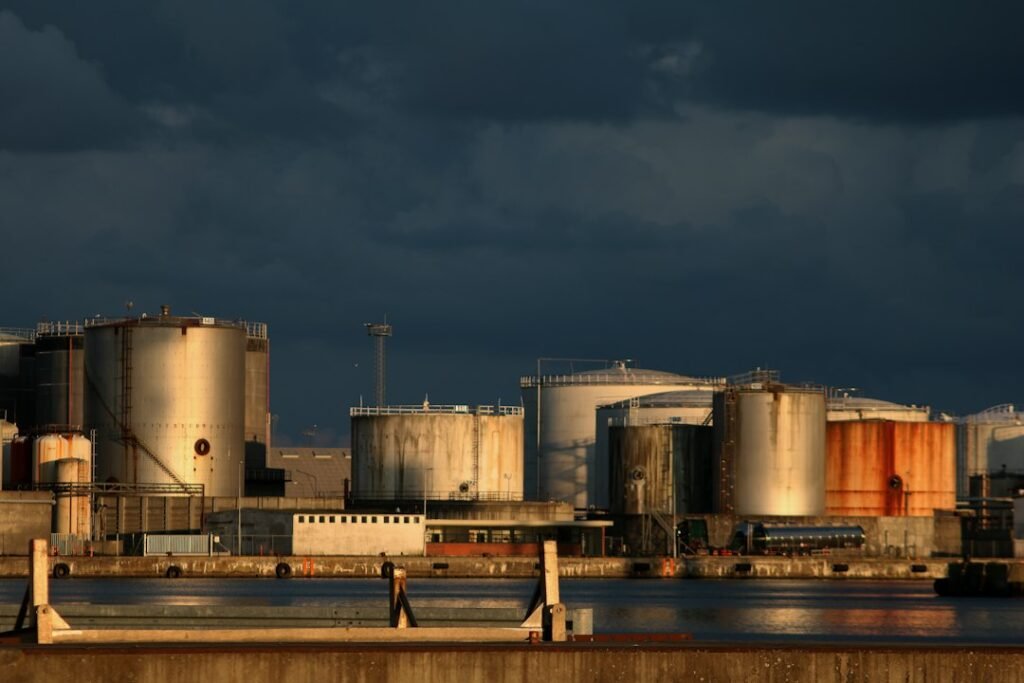
Japan will offer Saudi Arabia an extra 16 million barrels of crude storage, lifting the kingdom’s capacity under their joint stockpiling scheme to about 24 million barrels, the Saudi Press Agency said on 20 November.
The expansion of Saudi-Japan oil stockpiling follows a virtual meeting on 9 November between Prince Abdulaziz bin Salman, Saudi Minister of Energy and Minister of Industry and Mineral Resources, and Ryosei Akazawa, Japan’s Minister of Economy, Trade and Industry. Japan also intends to buy up to 8 million barrels of Saudi crude for its national reserves, subject to market conditions and domestic procedures, according to the joint statement.
What the Saudi-Japan oil stockpiling deal includes
Under the plan, Japan will make the additional 16 million barrels of capacity available for a limited period through its national stockpiling facilities. Saudi Arabia already has access to around 8 million barrels of storage in Japan, so the combined capacity would reach up to approximately 24 million barrels.
The statement said Saudi Arabia has already begun replenishing the joint stockpiling tanks in Japan. The two ministries said they would continue discussions to explore further energy cooperation, improve the existing scheme and maximise its potential.
Japan’s Ministry of Economy, Trade and Industry released a matching statement on 20 November, according to Arab News Japan. Kyodo News reported that the agreement triples the maximum volume of Saudi crude stored in Japan, and that Japanese oil companies hold preferential purchase rights over the stored barrels in an emergency.
A scheme dating back to 2010
The Joint Crude Oil Stockpiling Project between the two countries was established in 2010. It allows Saudi Arabia to hold crude in Japan for commercial use, while Japan gains priority access to those barrels if supplies are disrupted. The arrangement therefore serves as a commercial hub for the seller and an insurance policy for the buyer.
Saudi Aramco has used leased tanks in Okinawa under the arrangement since 2011, earlier reports by Gulf News and S&P Global show. The new agreement follows work by a joint task force that the two governments set up in May 2026 to examine ways of strengthening the resilience of energy supply systems.
Both sides also agreed to work together under Japan’s POWERR Asia initiative, the Partnership on Wide Energy and Resources Resilience Asia, which aims to strengthen oil stockpiling, cooperation with producers and emergency response across the region. That cooperation will follow the AZEC ministerial work programme on oil stockpiling presented on 8 October.
Why it matters for Gulf energy exporters
Saudi Arabia is Japan’s largest crude supplier, according to Japan’s Ministry of Foreign Affairs, and Japan depends heavily on Middle East imports for its refineries. Tripling the storage available to the kingdom locks in that relationship for the period of the agreement. Barrels held in Japan give Saudi Aramco a forward base close to buyers in East Asia; the Okinawa terminal has previously supplied cargoes to China, Japan and South Korea.
The Saudi-Japan oil stockpiling expansion also arrives after a year of heightened tension in Gulf shipping lanes. Kyodo reported the expansion amid Middle East tensions, and stocks positioned near Asian buyers reduce the exposure of both sides to disruption along the tanker route from the Gulf.
For Saudi Arabia, the deal deepens ties with one of its most reliable customers while oil earnings continue to underpin Vision 2030 spending. Those earnings remain substantial: Aramco’s third-quarter profit rose 34% to $36.25 billion despite attacks on its facilities.
Also Read: Kirkuk-Ceyhan pipeline reopens: Iraq pumps 120,000 bpd
The statement did not say when the extra capacity will become available or how long the limited period will run. Japan’s purchase of up to 8 million barrels depends on favourable market conditions and the completion of domestic procedures, so the timing of that transaction also remains open. Both ministries said they would keep talking, and further announcements may follow through the Outlook Middle East news desk.