Kirkuk-Ceyhan pipeline reopens: Iraq pumps 120,000 bpd
Iraq restarts crude exports via the Kirkuk-Ceyhan pipeline at 120,000 bpd, targeting 500,000 bpd, as Hormuz disruption pushes Baghdad to new routes.
 Layla Al Mansoori
◆20 November 2026
◆3 min read
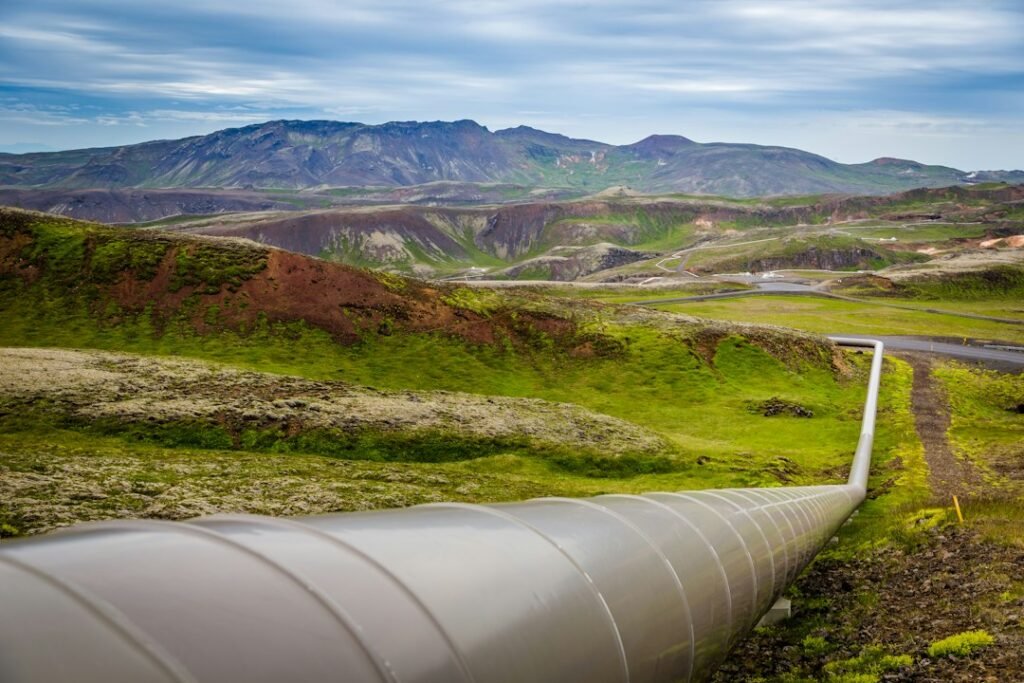
Iraq has resumed pumping crude for export through the Kirkuk-Ceyhan pipeline to Türkiye at an initial 120,000 barrels per day, Oil Minister Basim Mohammed Khudair said on 17 November, ending a 12-year shutdown. The Iraqi Ministry of Oil plans to raise capacity on the line gradually to 500,000 bpd, the Iraqi News Agency reported.
The 960-kilometre pipeline was knocked out of service in 2014 after repeated attacks by Daesh and once carried about 0.5 per cent of global oil supply. Its reopening follows maintenance and rehabilitation work as well as technical and operational testing, the minister said in comments carried by the state news agency.
Why the Kirkuk-Ceyhan pipeline matters now
The restart gives OPEC’s second-largest producer a second northern export outlet alongside the existing line from the Kurdistan region, reducing its dependence on southern terminals and tanker traffic through the Strait of Hormuz. Shipping through the strait has been disrupted since the war between the US and Iran began in late February.
Before the conflict, nearly all of Iraq’s crude left the country via Hormuz, and oil sales fund around 90 per cent of the state budget, according to Middle East Eye. Khudair said exporting through the northern outlet “allows for the marketing of crude oil without price discounts”, generating additional revenue for the national economy.
Reuters noted that the net effect of the Kirkuk-Ceyhan pipeline restart on Iraqi exports will depend on how much crude is available and whether the new flows add to, rather than replace, existing shipments. Kurdistan exports to Ceyhan resumed in late September 2025 after a halt of about two and a half years, with the regional government and foreign producers agreeing flows of 180,000 to 190,000 bpd.
How the restart was carried out
Flows began from the IT1A station through a 46-inch line to the MS metering station, according to Iraqi News, which said technical teams from the state-owned North Oil Company carried out maintenance, hydrostatic testing and operational checks on the federal line. The pipeline had been idle since March 2014.
The restart operates under a one-year interim agreement signed in Ankara in August 2026 by Türkiye’s BOTAS, Iraq’s state oil marketer SOMO and North Oil Company, which reserves transport capacity of up to 750,000 bpd for Iraqi crude while talks on a long-term deal continue, Türkiye Today reported. The original 1973 pipeline agreement expired on 27 July 2026. No timeline has been given for reaching the 500,000 bpd target.
Earlier, in March 2026, Iraq had begun sending Kirkuk crude to Ceyhan through the Kurdistan region’s pipeline, TASS reported.
Oil markets have so far taken the restart in their stride. Brent crude was trading just above $92 a barrel on November 20 and was on track for a third straight weekly decline, as oil flows from the Middle East recover, according to Trading Economics.
What happens next
Baghdad’s longer-term aim is to link Basra, its southern energy hub, to the Mediterranean through Türkiye’s Ceyhan port and Syria’s Baniyas terminal, Middle East Eye reported. Türkiye has been pushing for a direct Basra-Ceyhan connection, and the Kirkuk system has a design capacity of more than 1.5 million bpd.
For the wider Gulf, the move is part of a regional push to build export routes that avoid Hormuz, from Saudi Arabia’s East-West pipeline, which CBS News puts at 7 million bpd of capacity, to new UAE infrastructure. Attacks attributed to the Houthis and Iraqi militias on the Saudi East-West line underline that such workarounds remain exposed, according to industry sources cited by Middle East Eye.
Investors will watch how quickly volumes on the Kirkuk-Ceyhan pipeline climb towards 500,000 bpd and whether the extra barrels lift Iraq’s total oil exports. Gulf producers have so far kept reporting strong earnings through the disruption, as shown by Aramco’s 34 per cent jump in Q3 profit and ADNOC Gas’s third-quarter results. Follow our latest MENA business news for further developments.