Duqm investments: Oman zone in talks on $21bn metals deals
Duqm investments of up to $21bn in iron and green aluminium are under negotiation, SEZAD CEO Ahmed Akaak says, with project deals due by end-2026.
 Layla Al Mansoori
◆23 October 2026
◆3 min read
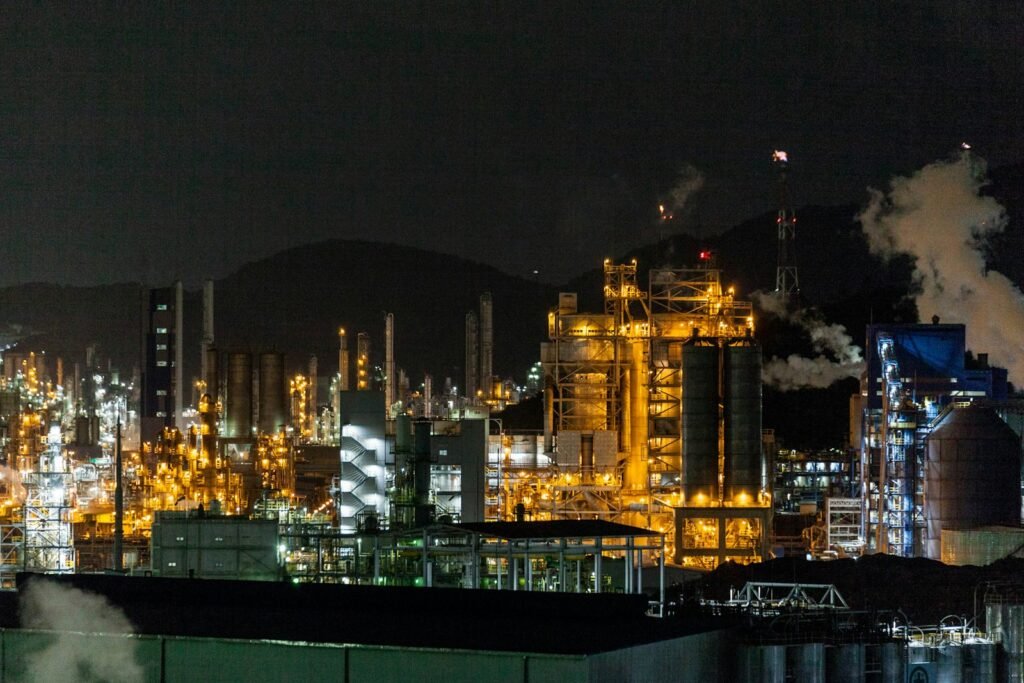
Oman’s Duqm zone is negotiating new Duqm investments worth 7bn to 8bn rials ($18bn to $21bn) in iron and aluminium, with project agreements expected before the end of 2026, its chief executive said.
Ahmed bin Ali Akaak, CEO of the Special Economic Zone Authority at Duqm (SEZAD), told Asharq Bloomberg that talks had reached “very significant understandings”. He was speaking on the sidelines of the UK-GCC strategic dialogue in London, Arab News reported on Thursday.
Final agreements depend on securing energy and gas supply and on how much value the projects add to the Omani economy, Akaak said. The negotiations form part of Oman’s effort to turn Duqm into a base for low-carbon heavy industry powered by renewable energy and green hydrogen.
Green aluminium anchors the Duqm investments pipeline
Three of the projects under discussion involve green aluminium. The largest carries an estimated investment of about 2.4bn rials ($6.2bn) and is planned to produce 530,000 tonnes a year of low-carbon aluminium ingots, plus 620,000 tonnes of billets and pre-cast slabs.
The other two are the Geely Green Aluminium Project and the Pearl Green Iron and Aluminium Project, both being explored with regional partners, according to the Public Authority for Special Economic Zones and Free Zones (OPAZ). Industry publication AL Circle has identified CMOC Group as the party behind the largest smelter plan, although SEZAD has not named the partner.
All three schemes rely on green hydrogen and other low-emission energy, which OPAZ expects to be available in the region from around 2030. They sit alongside green steel ventures already attached to Duqm, including Jindal Steel Duqm and Meranti Green Steel.
Committed capital up 141% since 2021
Cumulative committed investment in the zone reached 8.8bn rials ($22.9bn) by the end of June 2026, up about 141% from 3.65bn rials ($9.5bn) in 2021, Akaak said. In June, SEZAD signed 10 agreements and memorandums of cooperation worth a combined 2.9bn rials ($7.5bn), covering hydrogen, energy, electric vehicle battery materials and industrial, residential and service projects.
Akaak also said discussions were under way with Saudi investors to bring capital to Duqm, and that some understandings could be announced soon. He gave no details on the size or nature of those projects.
Duqm already hosts the OQ8 refinery, a joint venture owned equally by OQ Group and Kuwait Petroleum International. The new metals projects would add a second heavy-industry pillar alongside hydrocarbons.
Port gains from Gulf shipping disruption
Duqm Port is benefiting from the upheaval in shipping across the northern Gulf. Akaak said some cargo previously bound for northern Gulf ports had shifted to Duqm, and that the port’s “operational volume has risen by nearly 235 percent”, leaving it operating at full capacity.
Duqm sits on the Arabian Sea, outside the Strait of Hormuz, giving it a route to global markets that bypasses the chokepoint at the centre of the conflict with Iran. SEZAD is working to strengthen land and sea connections with other GCC states through what it calls a green logistics corridor.
For regional investors, the Duqm investments figures underline how Oman has positioned itself as a relative beneficiary of the Gulf’s logistics shake-up. The IMF this week projected that Oman’s economy would grow 4.1% in 2026 while the wider Gulf contracts 4.8%, making it the only GCC member expected to expand this year, The National reported. The contrast is sharp with equity markets, where foreign investors pulled a record $2.3bn from GCC bourses in the third quarter.
Agreements on project work plans are due before the end of the year, and announcements on Saudi-backed projects may follow. The timetable for the aluminium smelters remains tied to the arrival of large-scale green hydrogen supply around 2030, so first production is still several years away. Further coverage of Gulf industrial projects is available in our News section.
Akaak’s remarks were reported by Arab News on 22 October.