Bahri VLCC contract: SAR1.69bn IMI deal for 3 tankers
Bahri VLCC contract: Saudi shipping group signs SAR1.69bn ($451m) deal with IMI to build three 320,000 DWT crude tankers for delivery in 2029–2030.
 Layla Al Mansoori
◆26 October 2026
◆3 min read
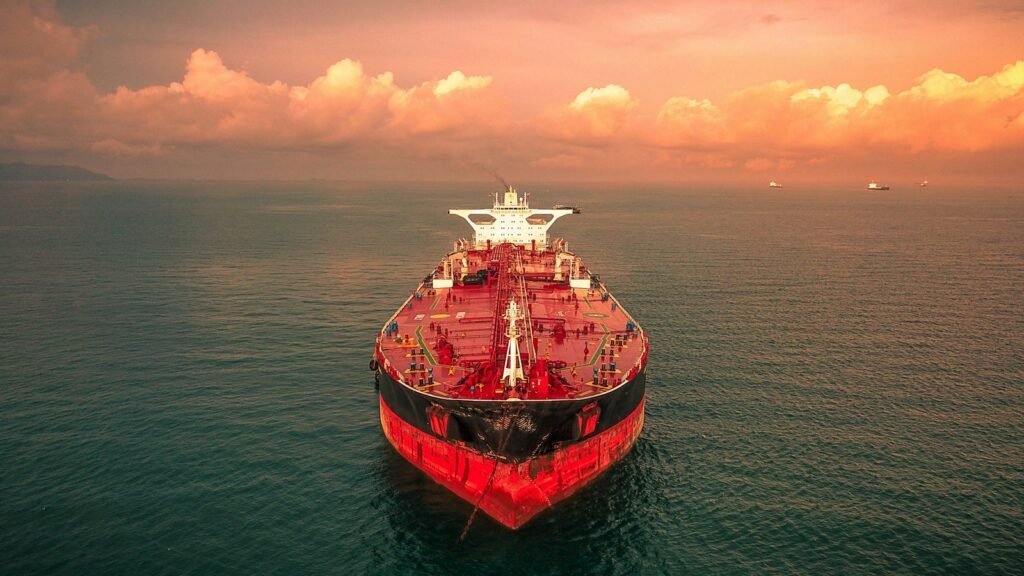
Saudi shipping group Bahri has signed a contract worth about SAR1.692 billion ($451 million) with International Maritime Industries (IMI) to build three very large crude carriers in the Kingdom, it said on Sunday, 25 October.
The Bahri VLCC contract, disclosed by the National Shipping Company of Saudi Arabia in a Saudi Exchange filing, covers three tankers of 320,000 deadweight tonnes each, fitted with advanced energy-efficiency technologies. IMI will deliver the vessels in phases between 2029 and 2030.
The agreement was signed on 22 October, in conjunction with the Saudi Maritime and Logistics Congress. Bahri said it will fund the order from internal cash resources and bank facilities, and that the financial impact will be recorded once the vessels are delivered and begin commercial operations.
Nine vessels now on order from Saudi yards
With this order, Bahri has nine newbuild vessels contracted at IMI: six Ultramax dry bulk carriers and three VLCCs. The earlier bulk carrier order, valued at SAR762 million (about $203 million), covers six geared Ultramax vessels of 62,823 deadweight tonnes each, due for delivery in 2028 and 2029.
Eng. Ahmed Alsubaey, Chief Executive Officer of Bahri, said the latest contract will add modern, more efficient ships to the fleet and deepen the company’s work with IMI. “Fleet modernization is a key pillar of our long-term strategy,” he said.
Eng. Abdullah Al-Ghamdi, Chief Executive Officer of IMI, said the shipyard looks forward to supporting Bahri’s future requirements and contributing to the localisation of shipbuilding capabilities in line with the Kingdom’s Vision objectives. “This milestone reflects the continued advancement of Saudi Arabia’s maritime industry,” he said.
A related-party deal
The transaction is classified as a related-party deal. Bahri owns 19.9 per cent of IMI’s capital, and its chief executive, who is also a Bahri board member, sits on the IMI board, the filing noted. IMI is described in the announcement as the largest integrated maritime facility in the MENA region.
The order lands as very large crude carriers are earning record spot rates, according to Seatrade Maritime News, giving tanker owners both the cash flow and the incentive to renew ageing tonnage.
Why the Bahri VLCC contract matters
The deal shifts a slice of Bahri’s fleet renewal programme towards domestic shipbuilding capacity. The company’s most recent large tanker acquisition, a $1 billion purchase of nine VLCCs from Greece-based Capital Maritime and Trading Corp completed in September 2025, involved ships built in South Korea.
For Riyadh, the contract is a concrete example of the localisation agenda under Vision 2030, which seeks to build a domestic maritime manufacturing base alongside the Kingdom’s role as a leading crude exporter. Building the tankers at IMI is intended to keep construction spending, engineering work and supply-chain contracts inside Saudi Arabia.
The order also reflects the strength of Bahri’s recent earnings. The company reported a net profit of SAR2.75 billion (about $733 million) for the second quarter of 2026, up 574 per cent year on year, driven mainly by its crude oil transport business as freight rates rose and more vessels were chartered to meet customer demand.
At the end of June 2026, Bahri’s owned fleet stood at 107 vessels, with two more under long-term leases. During the second quarter, the company bought five chemical tankers and sold an older VLCC.
What happens next
The Bahri VLCC contract will conclude when the last of the three tankers is delivered, and Bahri will recognise the financial effect only as each vessel enters service from 2029. Investors will be looking for any further orders from the shipping group as IMI builds out its capacity and as Bahri continues to replace older tonnage.
The deal also adds to a run of large contract awards in the Kingdom’s energy and maritime supply chain, following the offshore work recently secured from Saudi Aramco by UAE contractor NMDC Energy.