Banque du Caire IPO priced at EGP5.30, raising EGP36.4bn
Banque du Caire IPO prices at the top of its range at EGP5.30 a share as Banque Misr sells 45% for about EGP36.4bn, Egypt’s largest listing in five years.
 Layla Al Mansoori
◆27 October 2026
◆3 min read
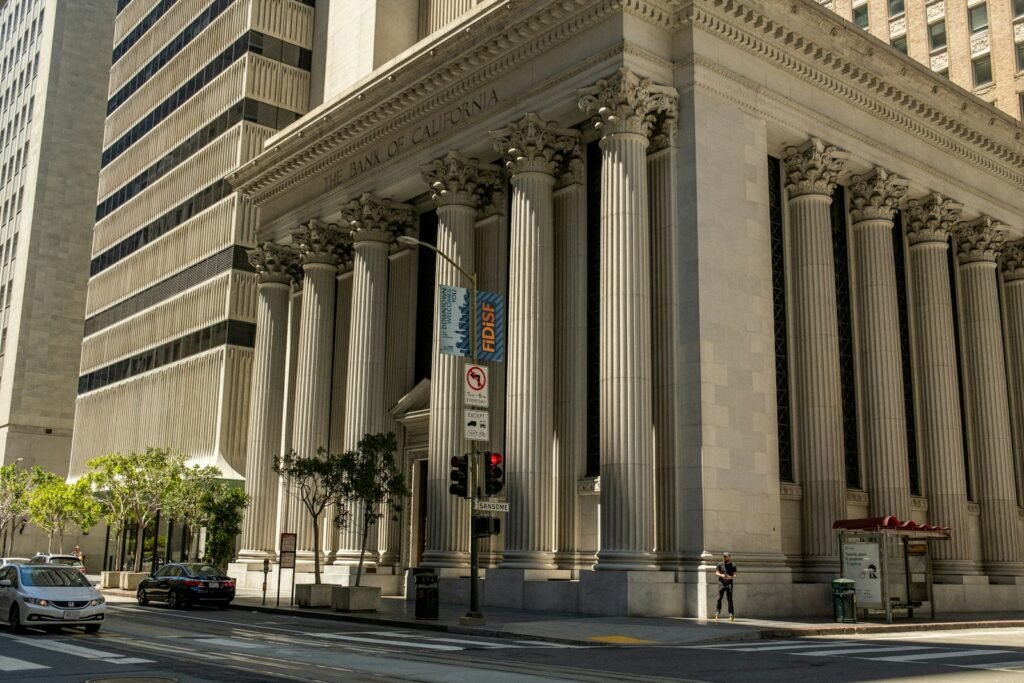
Banque du Caire has priced its IPO at EGP5.30 a share, the top of its range, as parent Banque Misr sells 45% of the lender for about EGP36.4bn ($660m), the bank said on Monday.
The Banque du Caire IPO was enlarged from 30% to 45% of the state-owned lender after the Financial Regulatory Authority approved the upsizing last Thursday, according to a company statement cited by Enterprise. The offering now comprises 6.86 billion shares, split 95% to institutions and 5% to retail investors.
At the final price the whole bank is valued at about EGP80.8bn ($1.46bn), making the sale the largest IPO on the Egyptian Exchange in dollar terms in at least five years, Enterprise reported.
Demand for the Banque du Caire IPO
Institutional orders reached EGP205.8bn ($3.72bn), the largest book any EGX private placement has drawn, according to Enterprise. That covered the EGP34.55bn ($625m) institutional tranche six times, or 19.8 times once anchor investors are excluded.
Retail investors had placed orders for 454 million shares by Thursday’s close, 1.3 times the enlarged public tranche of 343.1 million shares. The retail book stays open until Wednesday 28 October at the final price.
The International Finance Corporation and the European Bank for Reconstruction and Development each agreed to take up to 15.74% of the enlarged private placement, Reuters reported. Enterprise said each institution is investing $100m, conditional on the private offering closing, and both are locked in for set periods.
Four foreign cornerstone funds, Helikon, Redwheel, Sustainable Capital and Waha Investments, were named earlier in the process. Together with the two development lenders, they account for roughly three-quarters of the private placement, by Enterprise’s calculation.
Background to the sale
The sale is fully secondary, so all proceeds go to Banque Misr rather than the Treasury. Banque Misr will keep 55% of the bank and cannot sell further shares for one year without the bookrunners’ consent, while EGX rules lock up 51% of the lender for at least two years.
The bank posted consolidated net income of EGP8.9bn in the first half of 2026, up 21.8% year on year, after earning EGP16.1bn in 2025. Management targets a dividend payout of 20% to 30% while keeping the capital adequacy ratio between 18% and 22%.
Hussein Abaza, chief executive of Banque du Caire, said in a podcast interview that “the market will establish how good or bad the bank is”. Baker Tilly, the independent financial adviser, set fair value at EGP5.30, in line with the final price, while Arab African International Securities and Ostoul put fair value at EGP7.8 and EGP6.55 respectively.
Why it matters for Egypt’s privatisation drive
The Banque du Caire IPO is the first state listing since United Bank in late 2024 and a test of Cairo’s privatisation programme. The IMF began its final review of Egypt’s loan programme on Sunday and wants about $1.5bn of divestment proceeds before the programme expires on 15 December, with close to $1bn still to be raised as of July, Enterprise reported.
The pricing held firm despite a sharp sell-off on the EGX. The EGX30 index fell 1.66% on Monday to about 48,400 points, its third consecutive loss, and has dropped roughly 8.4% over three sessions, though it remains up 15.75% this year. In dollar terms the latest session’s loss was 2.45% as the pound weakened, Enterprise said.
Banking analyst Hany Abou El Fotouh said the IPO’s success was an important step, but that the stock’s performance on the bourse would matter more. The deal follows MNT-Halan’s listing on the EGX earlier this month.
Execution is scheduled for 29 October, and trading under the ticker BQDC is expected to start on 2 November, subject to regulatory approvals. CI Capital, the lead global coordinator, will run a 30-day stabilisation period, with EFG Hermes acting as joint global coordinator.