Saudi East-West pipeline plan targets 10m bpd capacity
Saudi Arabia is studying a rise in East-West pipeline capacity and bypass routes to 10m bpd within two to three years, its energy minister says.
 Layla Al Mansoori
◆13 October 2026
◆4 min read
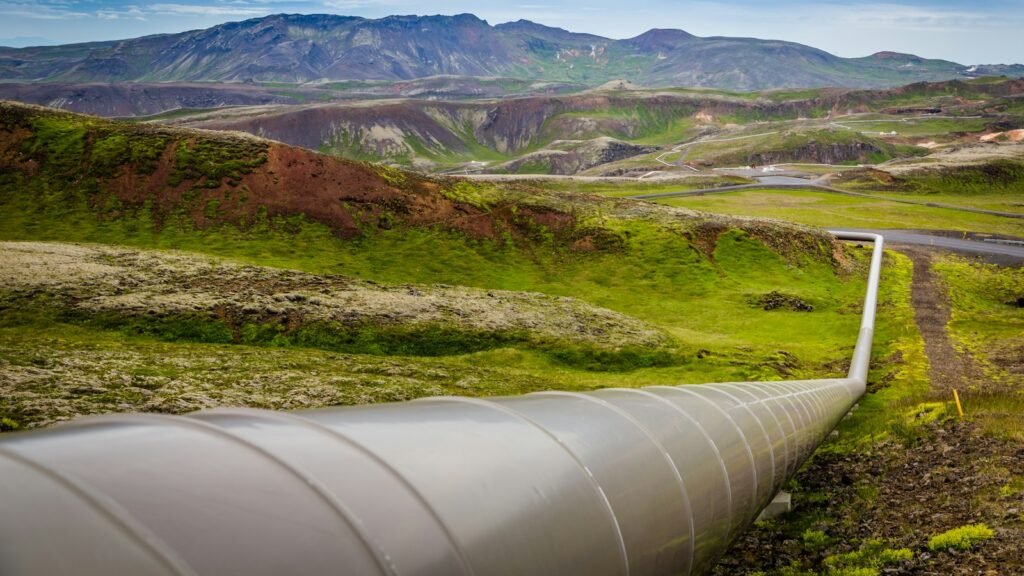
Saudi Arabia is studying an expansion of East-West pipeline capacity and related bypass routes to 10 million barrels per day within two to three years, Energy Minister Prince Abdulaziz bin Salman said on Monday.
Speaking at the 25th WPC Energy Congress in Riyadh on 12 October, the minister said the kingdom is looking at ways to move more crude to destinations outside the Gulf. “We may end up with 10 million barrels within the next two to three years,” he said, according to Bloomberg.
How East-West pipeline capacity would grow
The East-West pipeline runs about 1,200 kilometres from eastern Saudi Arabia to the Red Sea port of Yanbu, allowing crude to bypass the Strait of Hormuz. Its maximum capacity is about 7 million barrels per day (bpd), according to Ministry of Energy data cited by Argaam.
The line was carrying 5.8 million bpd as of 6 October, Bloomberg reported, after operations resumed following a drone attack in September. It supplies crude exports from Yanbu and refineries on the kingdom’s west coast.
The plan has two parts, according to reports of the minister’s remarks. The first is to upgrade pumping stations on the existing line. The second is to convert a gas pipeline so that it can carry crude.
The converted line could move about 1.2 million bpd within seven to eight weeks, and as much as 3 million bpd with further investment, Bloomberg reported. The arrangement would be temporary, with the pipe carrying oil until May before returning to gas service for the summer.
Saudi Aramco is installing pumping stations and compressors so the line can carry either oil or gas, depending on conditions, the report added.
Prince Abdulaziz said the East-West line’s use during the conflict had more than recovered its cost. He also said the kingdom wants more international owners, operators, designers and financiers involved in the pipeline, arguing that more participants would mean greater protection, according to Argaam.
Aramco studies new export routes and overseas storage
Aramco President and CEO Amin Nasser told the same congress that the company is working with the Ministry of Energy to study additional crude export routes and to expand storage outside the kingdom, Arab News reported.
Nasser said more than 90% of the materials used to restore operations over the past eight months were sourced within Saudi Arabia. That allowed repairs in hours and days rather than weeks or months, he said.
He warned that replenishing global inventories while meeting demand could take up to two years, according to Argaam. He also restated Aramco’s target of raising sales gas production capacity by about 80% by 2030, compared with 2021 levels.
That target supports the kingdom’s goal of generating electricity equally from gas and renewables by the end of the decade. Outlook Middle East covers the sector’s main companies in its energy and utilities section.
Why the Strait of Hormuz bypass matters for investors
Saudi energy facilities have faced repeated attacks since the regional war began in late February. Iran’s effective closure of the Strait of Hormuz cut off a route that previously carried about a fifth of global oil supply, Arab News reported.
That has made the Red Sea route central to Saudi oil exports. Bloomberg described the East-West line as a key export route since the start of the war.
US Energy Secretary Chris Wright, addressing the congress by video, said crude flows through Hormuz had recovered to 80–90% of pre-conflict levels, or about 13–14 million bpd. Refined product flows from the Gulf stood at only 25–35%, he said, according to Asharq Al-Awsat.
OPEC Secretary General Haitham Al Ghais put global oil demand growth for 2026 at 400,000 bpd, down from 1.4 million bpd expected at the start of the year. He projected growth of 1.7 million bpd in 2027 and called the East-West pipeline an “insurance policy” for energy security.
The stakes for the Saudi economy are high. The International Monetary Fund this week forecast that the kingdom’s output will contract 3.3% in 2026 before rebounding in 2027, in projections that assume the strait begins to reopen next March.
Added bypass capacity would reduce the share of Saudi oil exports exposed to the strait. No investment figure for the expansion was given in the reports of the minister’s remarks.
The WPC Energy Congress, which Saudi Arabia is hosting for the first time, forms part of a week of energy meetings in Riyadh running from 11 to 15 October, according to the Saudi Press Agency.
The gas line conversion is the nearest milestone. On the timeline the minister described, it would add crude capacity within about two months, well ahead of the wider East-West pipeline expansion. Follow more Gulf business news from Outlook Middle East as details emerge.