OQEP sukuk programme: Oman oil firm sets up $2bn platform
OQEP sukuk programme: Oman’s state-backed oil producer sets up a $2bn Islamic bond platform rated BBB- by Fitch, with issues eligible for London listing.
 Layla Al Mansoori
◆15 October 2026
◆4 min read
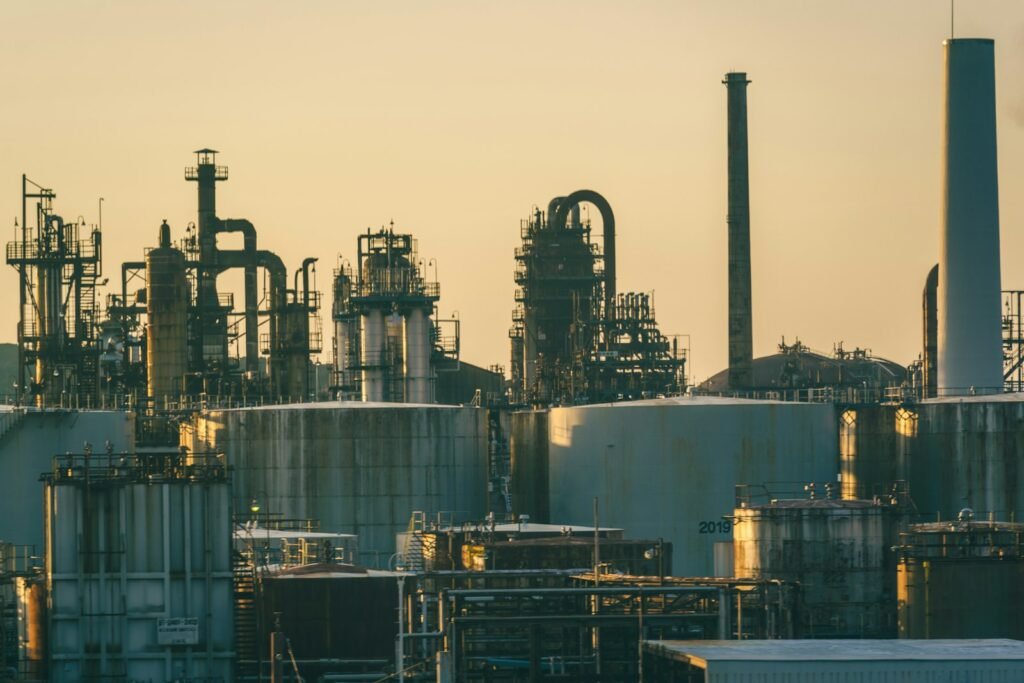
OQ Exploration and Production (OQEP), Oman’s state-backed oil and gas producer, has set up a $2bn sukuk programme to borrow in international Islamic debt markets, according to a company disclosure reported on Wednesday.
Any certificates issued under the OQEP sukuk programme may be listed on the International Securities Market of the London Stock Exchange, the company said. It did not give the timing or size of a first issue, which will depend on funding needs and market conditions.
The programme is the second such platform established by an OQ group company this month. OQ Gas Networks, the group’s pipeline operator, disclosed a $1bn sukuk programme on the Muscat Stock Exchange on 3 October, also with an option to list in London.
OQEP sukuk programme rated BBB- by Fitch
Fitch Ratings has assigned an expected rating of BBB-(EXP) to the trust certificate programme, in line with OQEP’s long-term issuer default rating of BBB-, according to the agency’s rating note published on 13 October. The certificates will be issued through OQEP Sukuk Limited, a Cayman Islands special-purpose vehicle, with OQEP acting as obligor, seller, lessee and servicing agent.
Fitch said it treats a default on the certificates as a default by OQEP itself, so the rating tracks the company’s own credit profile rather than the underlying assets. The agency said about $565m of unencumbered tangible assets, measured at the end of June 2026, would be allocated to the initial drawdown.
The structure includes a negative pledge and cross-default clauses, and a covenant requiring OQEP to keep its tangible asset ratio above 50%, Fitch said. Should the ratio fall below 33%, certificate holders would gain the right to delist and redeem.
OQEP’s credit profile is linked to that of its parent, OQ SAOC, which Fitch rates BBB- with a stable outlook. The company’s existing debt includes a $500m bridge-to-bond facility due in September 2027 and an Islamic finance facility of the same size that begins amortising in 2027, according to Fitch.
Oman sukuk issuance builds on a strong first half
The programme follows a period of rising earnings. OQEP reported a net profit of RO199.0m ($518m) for the first half of 2026, up 19.4% from RO166.6m a year earlier, on revenue of RO685.5m ($1.78bn), an increase of 12%, the company said in August.
Net working-interest production rose 2.7% to 228,200 barrels of oil equivalent per day, split 53% oil and 47% gas. Capital expenditure was RO131.7m ($343m), and the company declared a second-quarter base dividend of RO57.7m plus a performance-linked dividend of RO38.45m for the half, subject to shareholder approval.
Mahmoud Abdullah Al Hashimi, chief executive officer of OQ Exploration and Production, said at the time that the company had “delivered strong operational and financial performance” during the period. The company’s Marsa LNG project was more than 55% complete, it added.
OQEP raised about $2bn in October 2024 in the largest initial public offering in Oman’s history, and listed on the Muscat Stock Exchange as its biggest company by market value. The business was founded in 2009 and operates across 14 assets, including operated and non-operated blocks.
Why it matters for Gulf debt markets
The Oman sukuk pipeline is widening at a time when Gulf issuers are relying more on debt markets to fund growth. By setting up a programme rather than a single bond, OQEP can issue in tranches whenever pricing is attractive, a model widely used by larger regional energy and utility groups such as TAQA.
For investors, the OQEP sukuk programme adds a rare investment-grade corporate sukuk from Oman, a market that has historically been dominated by sovereign paper. Sukuk issued through a London-listed programme would also widen the pool of international Islamic and conventional buyers able to hold OQEP credit.
The move also gives the company room to refinance its bridge facility ahead of its 2027 maturity without drawing on cash that is earmarked for dividends and the Marsa LNG build-out.
What happens next
OQEP has not said when it will make a first drawdown. An expected rating is normally converted to a final rating once the agency receives final documentation for an issue.
Market watchers will be looking for a debut deal size, tenor and pricing, and for whether OQGN and OQEP come to market in quick succession. Further disclosures will appear on the company’s investor relations page, and more regional capital-markets coverage is available in our News section.