Emirates Group half-year profit falls 66% to AED3.6bn
Emirates Group half-year profit fell 66% to AED3.6bn as regional conflict and soaring fuel costs hit the Dubai group in the six months to September.
 Layla Al Mansoori
◆8 November 2026
◆4 min read
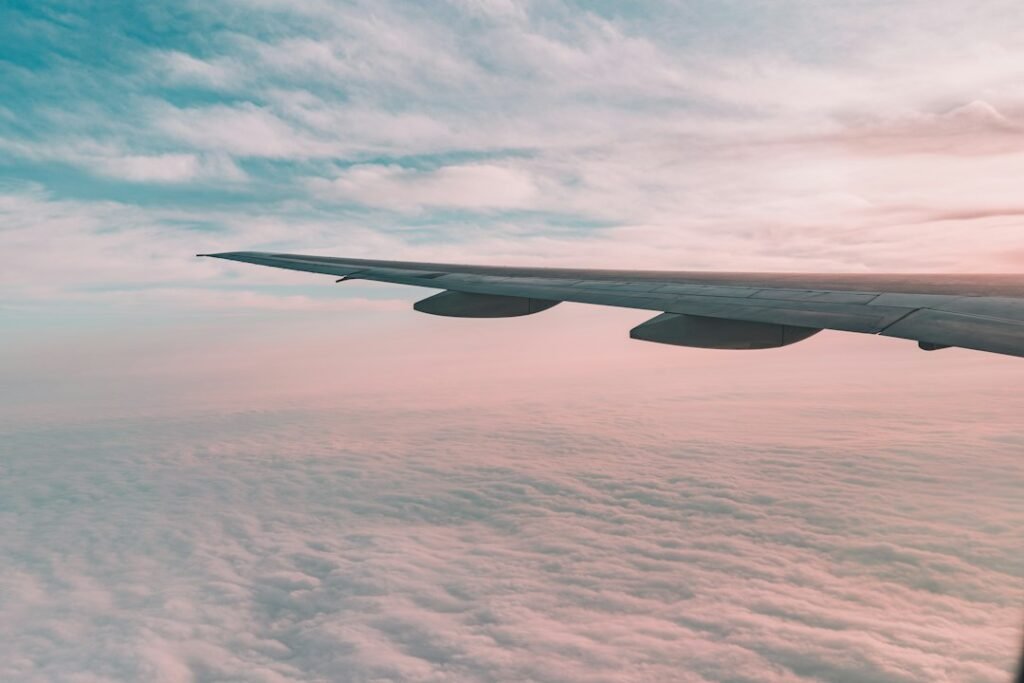
Emirates Group half-year profit fell 66% to AED3.6bn (US$1bn) in the six months to 30 September 2026, it said on Thursday, as regional conflict and high fuel costs weighed on the Dubai-based aviation group.
Group revenue dropped 12% to AED66.2bn (US$18bn) from AED75.4bn a year earlier, according to the results statement. Profit before tax came in at AED4.1bn (US$1.1bn), also down 66%, while EBITDA fell 41% to AED12.5bn (US$3.4bn).
The group said the period carried the full six-month impact of the conflict in the Gulf region, which brought intermittent airspace restrictions and closures and changed customer travel flows through government advisories. It still ended the half with a cash balance of AED54.1bn (US$14.7bn), down from AED59.6bn at 31 March 2026, after drawing on its cash reserves for business needs, including pre-delivery payments for aircraft.
Emirates airline carries fewer passengers as fuel bill rises
Emirates airline, the group’s main business, reported profit after tax of AED3.3bn (US$903m), down 66%, on revenue of AED56.9bn (US$15.5bn), a decline of 13%. The carrier flew 21.8 million passengers between April and September, 22% fewer than a year earlier, and its passenger seat factor slipped to 72.0% from 79.5%.
Capacity measured in available tonne kilometres fell 10% to 28.2bn as the airline ran a reduced schedule. By 30 September it was operating 91% of its pre-disruption network, serving 150 airports in 78 countries and territories, the statement said.
Fuel was the main pressure on costs. The airline said fuel costs before hedging rose 60% compared with the previous half-year, even though fuel uplift fell 12% on lower flying. Hedging gains of AED7.1bn (about US$1.9bn) limited the net increase in fuel costs to 13%, and fuel accounted for 34% of operating costs.
Cargo was the bright spot. Emirates SkyCargo carried 1.2 million tonnes, down just 1%, while cargo revenue rose 52% as the regional conflict reduced available airfreight capacity.
dnata profit halves as travel and ground handling slow
dnata, the group’s airport services, catering and travel arm, reported profit after tax of AED309m (US$84m), down 56%, on revenue of AED11bn (US$3bn), 7% lower than a year earlier. Profit before tax fell 51% to AED410m (US$112m). The company cited reduced volumes in some of its UAE and UK businesses, as well as lower airline and travel traffic in the UAE and the wider Gulf.
Group headcount stood at 128,237 at the end of September, 2% lower than at 31 March 2026, although both Emirates and dnata said they are recruiting. The group also paid the remaining AED2bn (US$545m) of the AED3.5bn dividend declared for the 2025-26 financial year to its owner, the Investment Corporation of Dubai.
Why the Emirates Group half-year profit matters for the Gulf
HH Sheikh Ahmed bin Saeed Al Maktoum, Chairman and Chief Executive of Emirates Airline and Group, said in the statement: “It has been a demanding six months, and once again our business model and our people stood up to the test.” He added that global jet fuel prices had doubled against the same period last year, and thanked the UAE government for its decisive response in enabling the safe resumption of air transport.
The Emirates Group half-year profit figures are a gauge of how far Dubai’s tourism and transport economy has recovered from the disruption earlier in the year. UAE GDP grew just 0.4% in the first half of 2026, as reported in our coverage of the country’s H1 2026 GDP figures, and Emirates’ passenger numbers suggest the aviation sector is still rebuilding volumes rather than growing them.
Saj Ahmad, chief analyst at StrategicAero Research, told The National that the carrier had “managed to stay in the black” despite the steep rise in fuel costs, and had rebuilt its network to keep customers booking through Dubai.
Investment has not stopped. During the half the airline took delivery of nine A350s and five Boeing 777 freighters, completed cabin refurbishments on 12 aircraft under a retrofit programme worth more than US$7bn, and broke ground in May on a US$5.1bn engineering facility at Al Maktoum International Airport due for completion in the mid-2030s.
Also Read: DP World Chittagong concession signed for 15 years
Sheikh Ahmed said the group enters the second half of the financial year with “measured optimism”, and that customer demand had “held firm” through the period. The full-year results for 2026-27 are due after the financial year closes on 31 March 2027, and further Gulf corporate results are covered on our news desk.