Blackstone DIFC office opens as Gulf private wealth hub
Blackstone DIFC office opens in Dubai as the $1.4tn asset manager's Gulf private wealth hub, adding a second UAE base alongside Abu Dhabi.
 Layla Al Mansoori
◆14 November 2026
◆3 min read
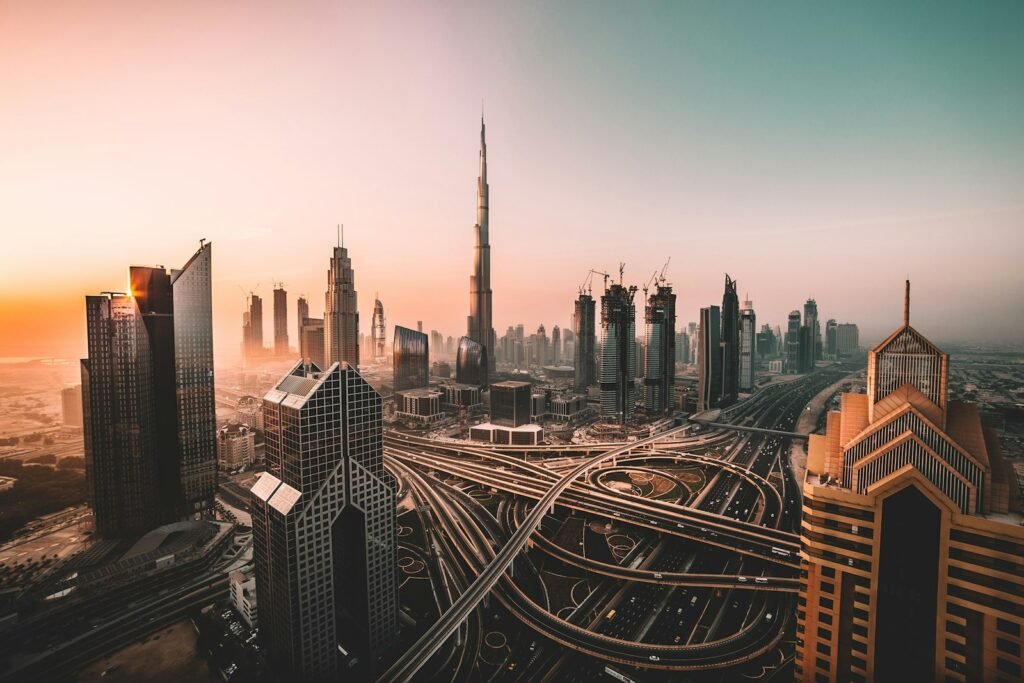
Blackstone has opened a private wealth office in the Dubai International Financial Centre (DIFC), the world’s largest alternative asset manager said on Thursday, 12 November. The Blackstone DIFC office gives the firm a second UAE base alongside Abu Dhabi.
The new office will serve as the regional hub for the firm’s Private Wealth business across the GCC, building on its partnerships with leading regional banks, according to the company’s statement. Blackstone manages nearly $1.4 trillion in assets, and the announcement did not include a financial forecast or a target for the new hub.
Jon Gray, Blackstone’s president and chief operating officer, said the UAE had built an extraordinary position as a global finance and investment hub. He added that the new office would allow the firm to “deepen our partnerships and broaden access to alternatives” for investors across the GCC.
A return to Dubai after six years in Abu Dhabi
Blackstone has been present in the UAE since 2010. It moved its regional base from Dubai to Abu Dhabi about six years ago, Gulf News reported in July, which makes the DIFC opening a return to the emirate. The firm’s Abu Dhabi office sits in the ADGM financial centre, and Blackstone has upgraded its Abu Dhabi licence to support deal origination in the region.
The firm’s private wealth arm has established more than 40 distributor relationships across the region, the statement said. Arif Amiri, chief executive of DIFC Authority, described DIFC as home to the region’s largest concentration of wealth and asset management firms and the preferred base for companies looking to strengthen relationships with GCC investors.
The National has also reported that Blackstone is adding an office in Kuwait. In an interview published by the newspaper on 28 October, chairman and chief executive Stephen Schwarzman said the firm expected to have offices “in pretty much every country” in the Gulf over time.
Record Gulf deployment despite the conflict
The opening follows Blackstone’s busiest year on record in the Gulf. The firm has committed more capital to the region in the past 12 months than at any point in its history, Schwarzman told The National, and he expects its Gulf assets to grow three to four times from current levels by the end of the decade.
Recent deals cited by The National include a $16 billion investment, alongside Brookfield and KKR, in Kuwait Oil Company’s crude pipeline network in July, a $250 million commitment to an Abu Dhabi payments technology platform in March, and an April partnership with Dubai Aerospace Enterprise to invest about $1.6 billion a year in aircraft leasing. In 2025 the firm created Glide, a $5 billion logistics platform with Abu Dhabi’s Lunate, and joined a $525 million funding round for property portal Property Finder.
Blackstone’s portfolio company AirTrunk has also agreed a $3 billion data centre deal with Saudi Arabia’s HUMAIN, which Schwarzman described as the first of potentially many such deals in the region, including the UAE.
Why the Blackstone DIFC office matters
The move fits a wider pattern of global managers expanding in the Gulf despite the US-Iran conflict, which The National said the International Monetary Fund expects to shrink the region’s economy by 4.8% this year before a 9.1% rebound in 2027. Both DIFC and ADGM have continued to attract global financial institutions and asset managers.
For Gulf investors, the Blackstone DIFC office means closer access to Blackstone’s private equity, credit, real estate and infrastructure strategies through local bank distributors. It also reflects a shift among global managers from raising Gulf capital to deploying it in the region’s infrastructure, technology and energy sectors.
Also Read: Apollo Mubadala Capital stake brings $5bn in commitments
Blackstone said it expects to further expand its presence across the region over the coming year. Attention will now turn to the timing of the Kuwait office and to whether the firm discloses the size of its Gulf wealth assets as it builds towards its end-of-decade target.