IMF Gulf forecast: GCC economies set to shrink in 2026
The IMF Gulf forecast shows Saudi Arabia, the UAE, Qatar and Kuwait contracting in 2026 as the Hormuz closure drags on, before a 2027 rebound.
 Layla Al Mansoori
◆13 October 2026
◆4 min read
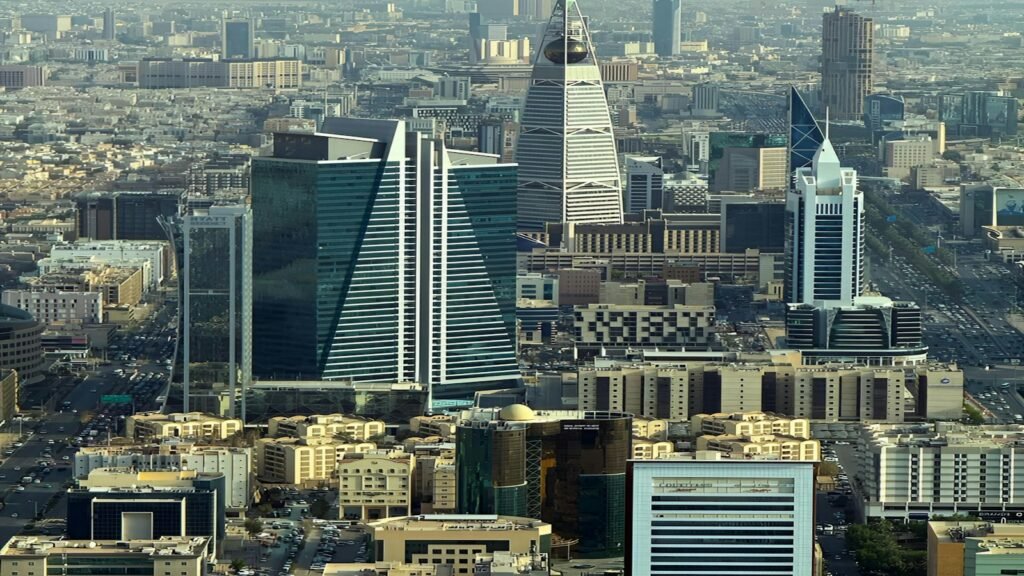
The latest IMF Gulf forecast shows five of the six GCC economies contracting in 2026, with Saudi Arabia shrinking 3.3% and the UAE 3.9%, as the Strait of Hormuz closure outlasts earlier assumptions.
The International Monetary Fund published the projections on Tuesday, 13 October, in its October 2026 World Economic Outlook, released at the IMF and World Bank annual meetings in Bangkok. The fund said the downgrade reflects a longer closure of the strait than it assumed in its April report.
IMF Gulf forecast: the country-by-country numbers
Kuwait faces the steepest decline in the bloc, with output projected to fall 16.7% this year. Qatar is forecast to contract 15.6% and Bahrain 11.3%, according to figures from the report carried by Reuters, AFP and The National.
Saudi Arabia’s economy, which grew 4.6% in 2025, is projected to shrink 3.3%. Reuters reported that the fund had forecast growth of 1.7% for the kingdom as recently as July.
The UAE’s 3.9% contraction represents a cut of seven percentage points from the April projection, The National reported. Oman is the only GCC member expected to grow in 2026.
Outside the bloc, Iraq is forecast to contract 16% and Iran 7.6%. Across the wider Middle East and Central Asia region, the IMF now expects output to shrink 0.3% in 2026, compared with growth of 3.7% in 2025 and a projection of 1.9% growth six months ago.
Strait of Hormuz closure drives the downgrade
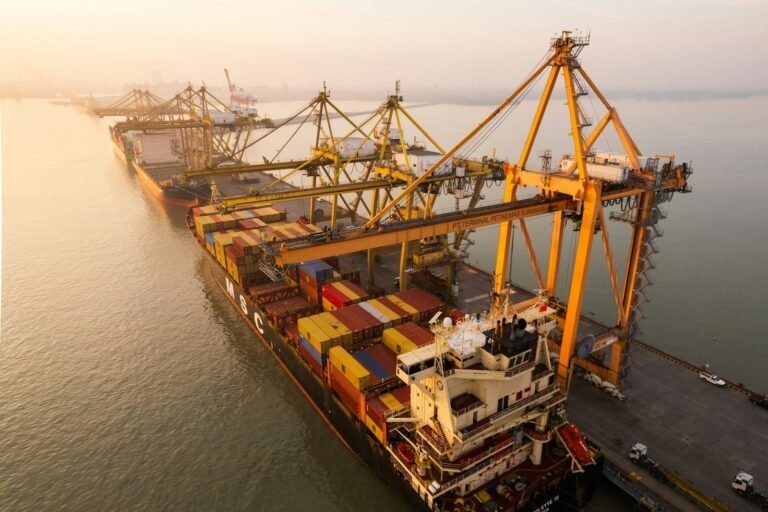
Before the conflict began in late February, about 20 million barrels of oil a day moved through the Strait of Hormuz, roughly a quarter of the world’s seaborne oil trade, the IMF said. The GCC economies facing double-digit contractions were hit by disruption to shipping and production and by damage to oil installations, AFP reported.
The fund described Saudi Arabia as “an economy with more diversified export routes”, a reference to the kingdom’s pipeline link to the Red Sea. The UAE, likewise, has coastline on both sides of the strait.
The projections assume the strait begins to reopen in March 2027, with shipping broadly back to pre-war patterns by October 2027, according to Reuters. The IMF assumes oil prices average $96 a barrel in 2026 and $87 in 2027.
There is one important caveat for Saudi Arabia. The kingdom’s projection was completed before a series of attacks on Riyadh’s airport that began last week, AFP reported.
A 2027 rebound, and what investors should watch
The IMF expects a sharp recovery once shipping returns to normal. It projects 2027 growth of 7.9% for Saudi Arabia, 7.7% for the UAE, 18.8% for Qatar, 17.1% for Kuwait and 13.9% for Bahrain.
The Middle East and Central Asia region as a whole is forecast to expand 6.3% next year. That figure is 1.7 percentage points higher than the fund projected in April.
Globally, the fund puts growth at 3.1% in 2026 and 3.4% in 2027. It sees headline inflation at 4.7% this year, easing to 4.1% next year.
“The global economy has been resilient, but that resilience is reaching its limits,” IMF chief economist Silvana Tenreyro said, according to Reuters.
The risks sit on the downside. In the fund’s adverse scenario, a worsening war that holds oil at $130 a barrel through the first quarter of 2027 would cut global growth by 0.2 percentage points in 2026 and 0.5 points in 2027, Reuters reported.
For companies and investors in the region, the IMF Gulf forecast sets the backdrop for 2027 planning. Saudi Arabia’s finance ministry has separately forecast growth of 12.8% for 2027, well above the fund’s figure, The National reported.
In the UAE, the Cabinet this week approved a 2027–2029 federal budget with spending of Dh292.5 billion ($79.64 billion), 28.3% higher than the previous three-year cycle, according to The National. Readers can follow further MENA business news as Gulf governments set out their spending plans.
Third-quarter results from the region’s lenders will give an early read on how the downturn is feeding through to credit demand and asset quality. Outlook Middle East tracks the sector in its banking and financial services coverage.
The rebound in the IMF Gulf forecast depends on the reopening timetable holding. The outlook for GCC economies in 2027 therefore depends heavily on when tankers can again move freely through the strait.