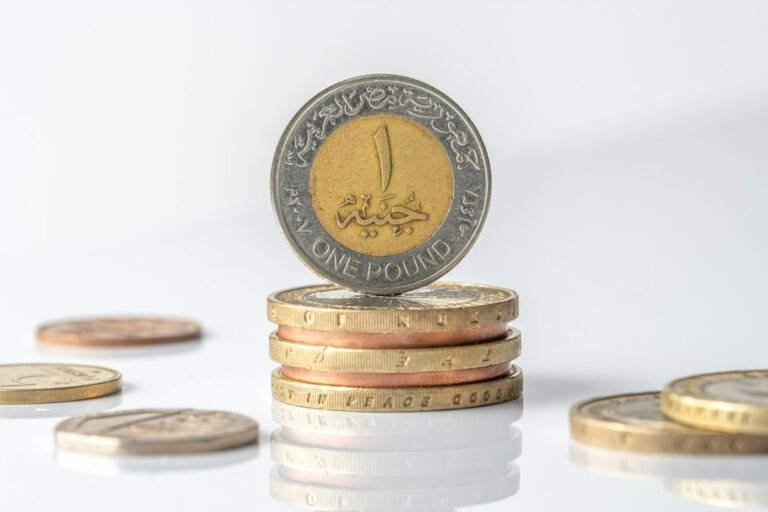
Egypt minimum wage rises to EGP8,500 for private sector
Egypt minimum wage for private-sector workers will rise 21.4% to EGP8,500 (about $158) from 1 January 2027, the National Wages Council has decided.
 Layla Al Mansoori
◆17 November 2026
◆3 min read
Egypt’s National Wages Council has approved raising the private-sector minimum monthly wage to EGP8,500 (about $158) from EGP7,000, effective 1 January 2027, the Cabinet announced on Sunday, 15 November.
The Egypt minimum wage increase amounts to EGP1,500, or about 21.4 per cent, and follows an extraordinary meeting of the council chaired by Prime Minister Mostafa Madbouly. Government officials, employers and labour representatives attended the session, Ahram Online and other Egyptian outlets reported.
What the Egypt minimum wage decision includes
Beyond the monthly floor, the council raised the minimum net hourly wage for workers in temporary and part-time positions to EGP34, up from EGP28.
The council also approved an annual periodic increase for private-sector employees from the 2027 financial year, applied according to each establishment’s accounting year. That rise must be at least 3 per cent of the employee’s social insurance contribution wage, with a minimum of EGP350 a year, up from EGP250.
Madbouly said the government was keen to ensure compliance with the new floor, noting that the private sector accounts for the largest share of Egypt’s workforce. He added that the government was working to improve incomes in line with directives from President Abdel Fattah El-Sisi.
On Monday, Labour Ministry spokesperson Abdel Wahab Khidr said the decision applies to all private establishments without exception and is legally binding under Article 104 of Labour Law No. 14 of 2025. He said the ministry would carry out nationwide inspections, with multiplied fines for violators.
The numbers behind the decision
Planning and Economic Development Minister Ahmed Rostom told the meeting that the private sector employed about 26.5 million people in 2025, out of roughly 32 million employed people nationwide. Egypt also has nearly four million private-sector establishments, including formal and informal businesses.
Finance Minister Ahmed Kouchouk said the government would present proposals for raising incomes over the coming years, with the aim of reaching agreement with private-sector representatives. Madbouly also tasked a joint working group of government and private-sector members within the council with studying wage increases and ways to improve workers’ incomes across sectors through 2030.
The meeting followed the reconstitution of the National Wages Council under Labour Law No. 14 of 2025, which provides for representation of the government, employers’ organisations and labour organisations.
How the wage floor has moved
The Egypt minimum wage for private-sector workers was last raised to EGP7,000 from EGP6,000, effective 1 March 2025. The new figure takes the floor to more than three times its January 2022 level of EGP2,400, according to Forbes Middle East.
Public-sector pay moved first. Madbouly announced in April 2026 that the minimum for state employees would rise to EGP8,000 from July 2026. At Egypt Forum 2026, the government set out a target of EGP15,000 for the state minimum wage by the end of fiscal year 2029/30, according to Egypt Today.
The private-sector increase lands as inflation eases but stays in double digits. Egypt’s annual urban inflation slowed to 12.7 per cent in October, a nine-month low, while the Central Bank of Egypt raised its key interest rate by 100 basis points to 20 per cent at the end of October.
What it means for employers and investors
For businesses, the higher Egypt minimum wage raises labour costs from January 2027 and adds a guaranteed annual increment on top. The Middle East Observer said the rise should be manageable for productive, well-capitalised companies but could squeeze margins at labour-intensive small and medium-sized firms in the formal sector, particularly those with limited pricing power and costly financing.
Price pressures remain a factor for both sides of the table. Egypt’s annual core inflation stood at 13.1 per cent in October, according to the Central Bank of Egypt, and the council did not announce any mechanism that would link the EGP8,500 rate automatically to future changes in prices.
What happens next: employers must apply the EGP8,500 floor from 1 January 2027, with the annual increment following each firm’s 2027 financial year. The joint working group is due to bring proposals on wages through 2030, while Kouchouk’s income proposals will go to private-sector representatives for discussion.