UAE Mozambique CEPA talks conclude as trade hits $2.5bn
UAE Mozambique CEPA talks have concluded in Abu Dhabi as non-oil trade rises 49% to $2.5bn in nine months. What the deal covers and what comes next.
 Layla Al Mansoori
◆15 November 2026
◆4 min read
The UAE and Mozambique have concluded negotiations on a Comprehensive Economic Partnership Agreement, with the final terms of the UAE Mozambique CEPA announced in Abu Dhabi on Saturday during an official visit by Mozambican President Daniel Chapo.
The conclusion of talks was announced by Dr Thani bin Ahmed Al Zeyoudi, the UAE Minister of Foreign Trade, and Basílio Zefanias Muhate, Mozambique’s Minister of Economy, according to state news agency WAM. Once signed, ratified and in force, the agreement will cut customs duties, remove trade barriers and widen market access, while providing a stable framework for investment.
Non-oil trade between the two countries reached about $2.6 billion in 2025, a 91.6% increase on 2024 and almost five times the level recorded in 2019, WAM reported. That momentum has continued this year, with non-oil trade of $2.5 billion in the first nine months of 2026, up 49% on the same period of 2025.
What the UAE Mozambique CEPA covers
The agreement is expected to open cooperation in energy, logistics, agriculture and food security, mining and critical minerals, and manufacturing. Emirati companies already hold positions in several of these sectors in the southern African country.
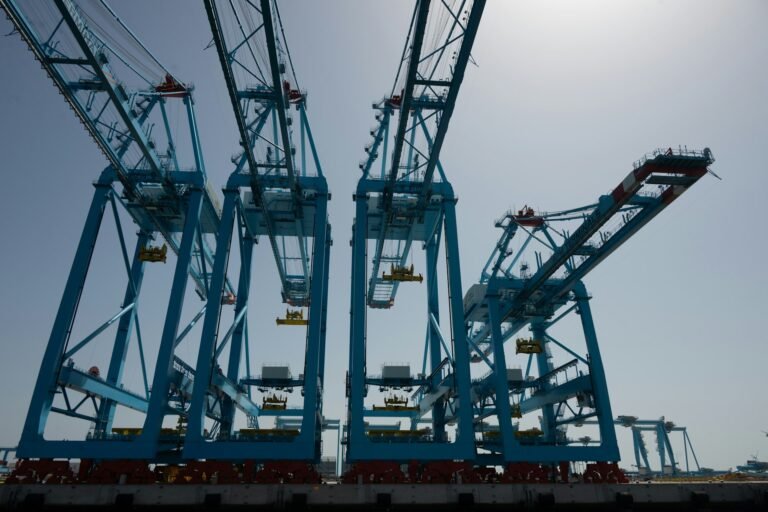
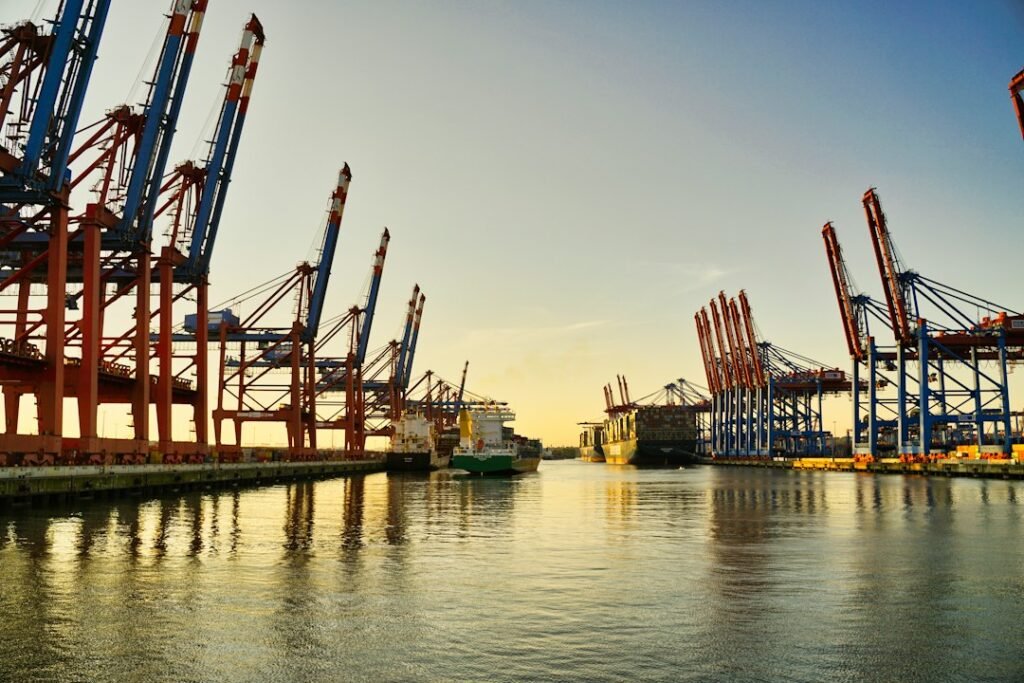
XRG, ADNOC’s international energy investment company, holds a 10% stake in the Area 4 concession of the Rovuma Basin, Mozambique’s offshore gas province. DP World is also involved in expanding the Port of Maputo, which WAM described as a key gateway for trade in southern Africa.
Muhate said the deal would help Mozambican producers reach new markets through one of the world’s leading trade hubs, while encouraging Emirati investment in agro-processing, industry and infrastructure. “This agreement marks a new phase in our relations with the UAE,” he said.
Al Zeyoudi on the Africa strategy
“Concluding CEPA negotiations with Mozambique marks a significant milestone,” Al Zeyoudi said, describing it as a step in the UAE’s efforts to widen its network of trade and investment partnerships across Africa. He said Mozambique’s economic potential and its location on Africa’s east coast offered promising opportunities, and that the agreement would ease market access for goods and services and encourage investment in priority sectors.
He added that the partnership would strengthen the UAE’s economic presence in African markets and support more efficient and resilient supply chains, creating room for businesses in both countries to grow.
The CEPA programme is a central part of the UAE’s foreign trade agenda. Since its launch in September 2021, the country has concluded agreements with economies across Asia, Africa, Europe and the Americas, including a deal with Canada whose negotiations were concluded in July 2026.
The announcement came on the same day that UAE President Sheikh Mohamed bin Zayed Al Nahyan met Chapo in Abu Dhabi. WAM reported that the two leaders discussed trade, investment, energy and food security, and expressed hope that the CEPA would strengthen economic ties at both government and private-sector levels.
Why the deal matters for Gulf investors
For UAE companies, Mozambique offers access to natural gas, farmland and mineral resources, together with a port that links landlocked neighbours to the Indian Ocean. For Mozambique, the agreement provides a route into the UAE’s re-export networks across the Gulf, South Asia and beyond.
The two countries have been building towards this point for most of the year. In January, they held a business roundtable in Abu Dhabi on the sidelines of Abu Dhabi Sustainability Week, which Chapo also attended. At that meeting, Al Zeyoudi said the UAE was supporting Mozambique’s efforts to develop its natural gas sector and to speed up its energy transition, WAM reported at the time.
The pact also fits a wider pattern in UAE-Africa trade. The UAE has used CEPAs to secure access to resources and transport corridors on the continent, and has previously concluded agreements with African partners including Mauritius, Kenya, Congo-Brazzaville and Morocco.
What happens next
The UAE Mozambique CEPA must now be signed and ratified by both governments before it takes effect. Neither side gave a timetable for signature or entry into force.
Also Read: UAE-Thailand CEPA talks conclude as H1 trade hits $10.2bn
Businesses on both sides will be watching for the tariff schedules and rules of origin that typically accompany a CEPA, as these will determine which goods benefit first. Agricultural exporters in Mozambique and logistics and energy investors in the UAE are likely to be among the earliest beneficiaries if the agreement follows the pattern of earlier UAE deals in Africa.