Aramco Q3 profit jumps 34% to $36.25bn despite attacks
Aramco Q3 profit rose 34% to SAR135.94bn ($36.25bn) on stronger refining margins; adjusted income up 9% and a $21.9bn base dividend declared.
 Layla Al Mansoori
◆5 November 2026
◆3 min read
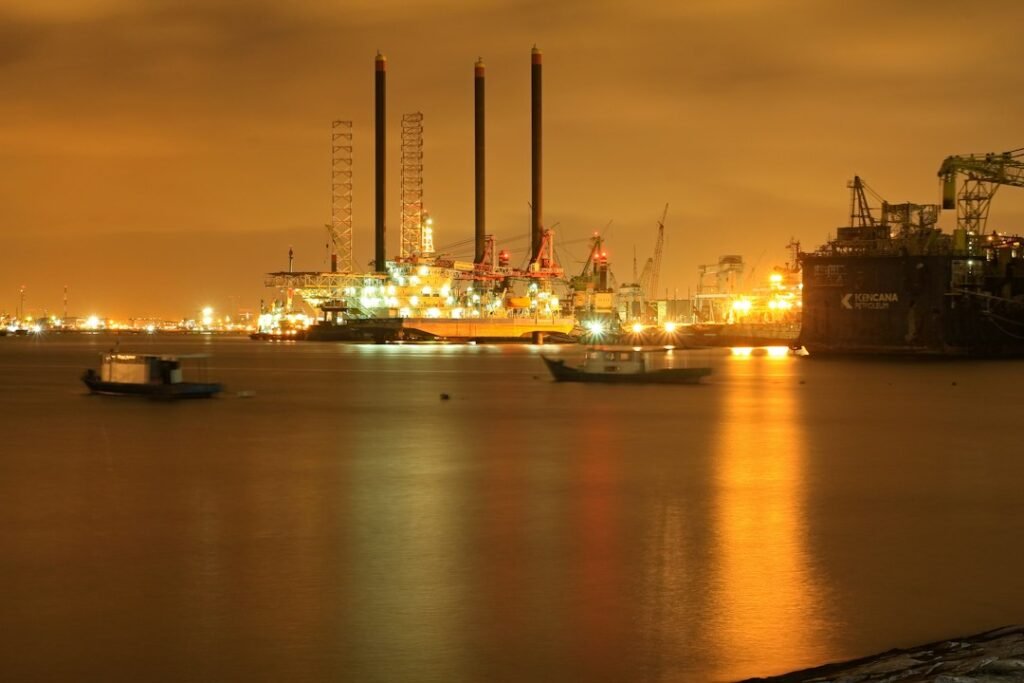
Saudi Aramco Q3 profit rose 34% to SAR135.94bn ($36.25bn) in a quarter marked by attacks on its facilities, the company said on Tuesday, helped by stronger refining margins and an asset-sale gain.
Net income compared with SAR101bn ($26.9bn) in the same period of 2025, according to the statement filed with the Saudi Exchange. Adjusted net income, which strips out one-off items, rose 9% to $31.2bn (SAR117bn) from $28.6bn a year earlier.
The gap between the two measures mainly reflects a SAR25.9bn ($6.9bn) gain on the sale of Aramco’s stake in PRefChem, which the company excluded from adjusted earnings, its interim report showed.
Refining margins lift downstream earnings 234%
Downstream adjusted earnings before interest and tax rose 234% year on year to $10.3bn on stronger refining margins, the company said. Upstream earnings before interest, income taxes and zakat fell about 9% to SAR175.6bn, according to the interim report.
Amin H. Nasser, president and chief executive, said in the statement that geopolitical uncertainty and attacks on key energy facilities had continued to amplify the global energy supply crisis. The company’s performance during the period, he added, “demonstrates the value of our resilience”.
Cash generation strengthened. Operating cash flow reached $38.7bn (SAR145.2bn), up from $36.1bn, while free cash flow rose to $28.2bn (SAR105.8bn) from $23.6bn a year earlier. Gearing fell to 5.5% at the end of September from 6.2% at the end of June.
Aramco’s average realised crude price was $95.2 a barrel in the quarter, according to its interim report. The company set 2026 capital spending guidance of $50bn to $55bn earlier this year.
Aramco Q3 profit supports a higher base dividend
The board declared a base dividend of $21.9bn (SAR82.1bn) for the quarter, up 3.5% on a year earlier, to be paid in the fourth quarter. The Aramco Q3 profit of $36.25bn covers that payout with a wide margin.
The payout matters well beyond minority shareholders. The Saudi government and the Public Investment Fund hold most of the company, so the dividend flows into the state budget and Vision 2030 programmes.
The results arrived amid continued disruption to shipping through the Strait of Hormuz and attacks on energy infrastructure inside the kingdom, The National reported. Aramco said its East-West Pipeline continued to provide export flexibility and that it is exploring additional overseas storage and new export routes.
Projects on track as HUMAIN deal closes
Production started in October at the Zuluf crude oil increment, Aramco said, while the second phase of the Jafurah gas development, the Fadhili Gas Plant expansion and the second phase of the Dammam development are all expected to come on stream in 2027.
Outside oil and gas, the company completed the purchase of a 49% stake in AI firm HUMAIN through a transfer of assets and cash contributions of about $2.6bn (SAR9.9bn), a transaction Outlook Middle East reported when it closed. Aramco also signed a shareholders’ agreement with Maaden to form a mineral exploration and hard-rock mining joint venture in the kingdom, in which Aramco is expected to hold 49%.
For Gulf investors, the quarter shows how the supply shock has split the energy sector. Tanker owners and refiners have gained from elevated freight and product prices, as Bahri’s 891% jump in third-quarter profit showed last week, while upstream producers have earned less from crude.
Aramco’s ability to lift its payout while cutting gearing suggests the kingdom’s main fiscal anchor remains intact despite the attacks. The base dividend is due in the fourth quarter, and investors will now watch how shipping through Hormuz evolves before the year ends. The full results statement is available on Aramco’s website.